
What LBMA accreditation means for your gold bar
Turn over almost any gold bar in our cabinets and you will find a refiner's name stamped on it. That name tells you more than the design on the front, because it shows whether the bar came from a refinery the London market has vetted. Here is what LBMA accreditation is, what it does not cover, and why it even turns up in Singapore's GST rules.
- •The LBMA is the London market's trade association; it accredits refiners, not individual bars.
- •The Good Delivery list covers large wholesale bars, but the same refiners make the small bars sold in shops.
- •A bar from an accredited refiner is easier to recognise and to sell, but every piece should still be tested.
- •For Singapore's GST exemption, gold bars need at least 99.5% purity from an accredited refiner, with mark, fineness and weight; IRAS has the full rules.
What the London Bullion Market Association is
The LBMA is the trade association for the London precious metals market. A large share of the world's wholesale gold changes hands in London, mostly between banks, refiners and big traders, and the LBMA sets the standards that market works to.
It is not a government regulator, and it does not sell bars. Its job is to decide which refiners the London market will accept, and to keep checking that they still meet the standard. Its rules cover the metal, how the bars are made and marked, and, in recent years, where the gold comes from in the first place.
So when someone calls a bar LBMA approved, they usually mean it was made by a refiner on the LBMA's accredited list. Nobody in London inspected the bar in your hand. They vetted its maker.
The Good Delivery list, in plain terms
The Good Delivery list is the LBMA's register of refiners whose large bars the London market accepts. A Good Delivery gold bar is a hefty thing: around 400 troy ounces, or about 12.4 kg, the size central banks and bullion banks keep in their vaults. Silver has its own list and its own large bar standard.
To get on the list, a refiner has to show it can turn out bars of the right fineness and weight time after time. It also has to meet the LBMA's requirements on financial standing and responsible sourcing, and its bars are tested before it is accepted. After that, the refiner is monitored on an ongoing basis. One that stops meeting the rules, or stops trading, can end up on the LBMA's former list instead.
You are unlikely to carry a 12 kg bar out of our shop. What matters for you is that the refiners behind those big bars also make the 1 g, 100 g and 1 kg bars sold over the counter. Strictly speaking, Good Delivery accreditation covers the large bars, but a refiner with that standing has every reason to hold its smaller products to the same name.
Why an accredited refiner matters for trust
Gold is hard to judge by eye. Tungsten, for one, is almost as dense as gold, so a plated tungsten bar can weigh about right. A well-known accredited refiner brings a long track record, packaging and bar designs people recognise, and a lot to lose if anything carrying its stamp turns out to be wrong.
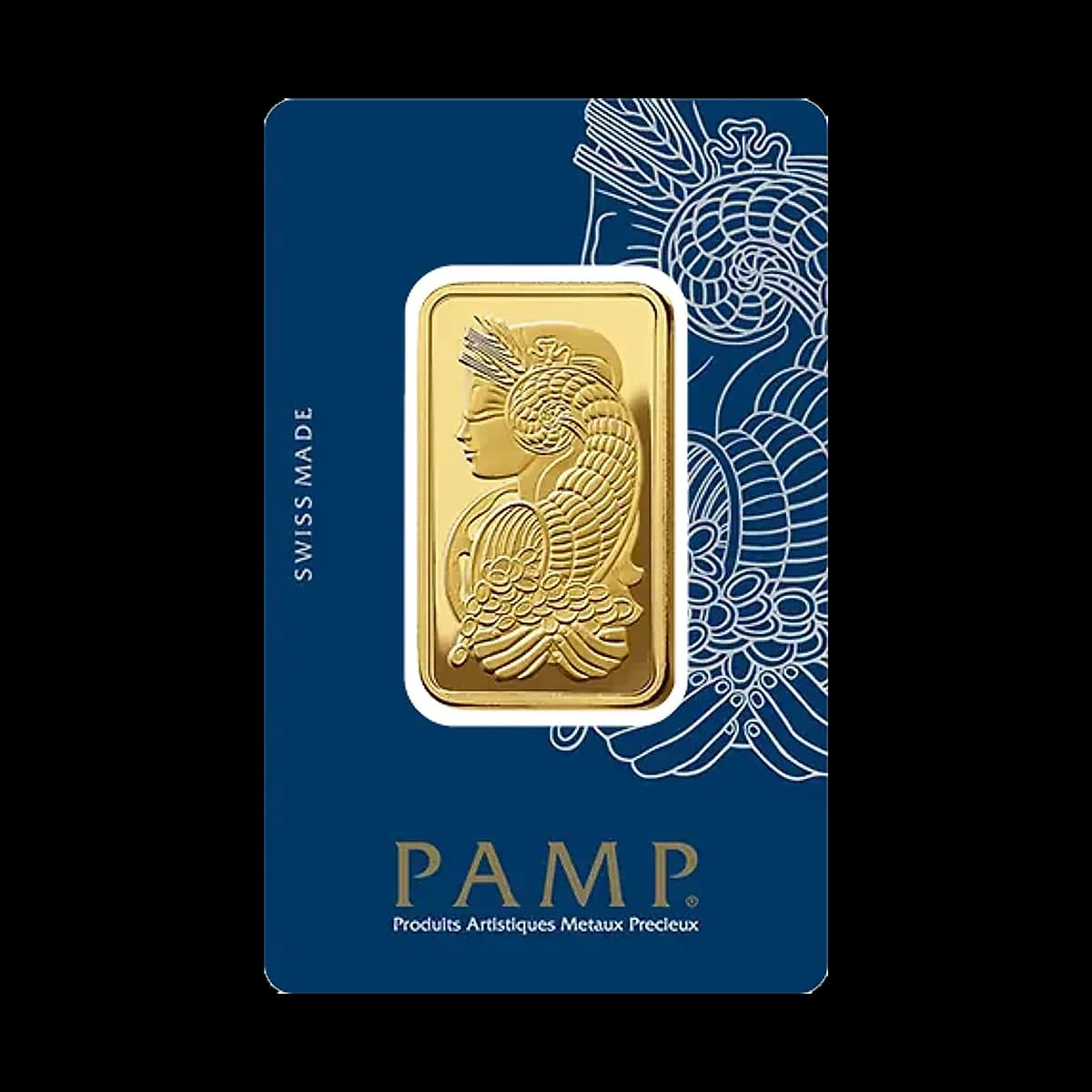
Still, accreditation describes the refiner, not the piece you are holding. A good fake can copy a famous logo. That is why we test every piece before it is sold, with a PMV (Precious Metal Verifier) and XRF testing, plus a Veriscan check on PAMP bars. The name on the bar and the test at the counter do different jobs. You want both.
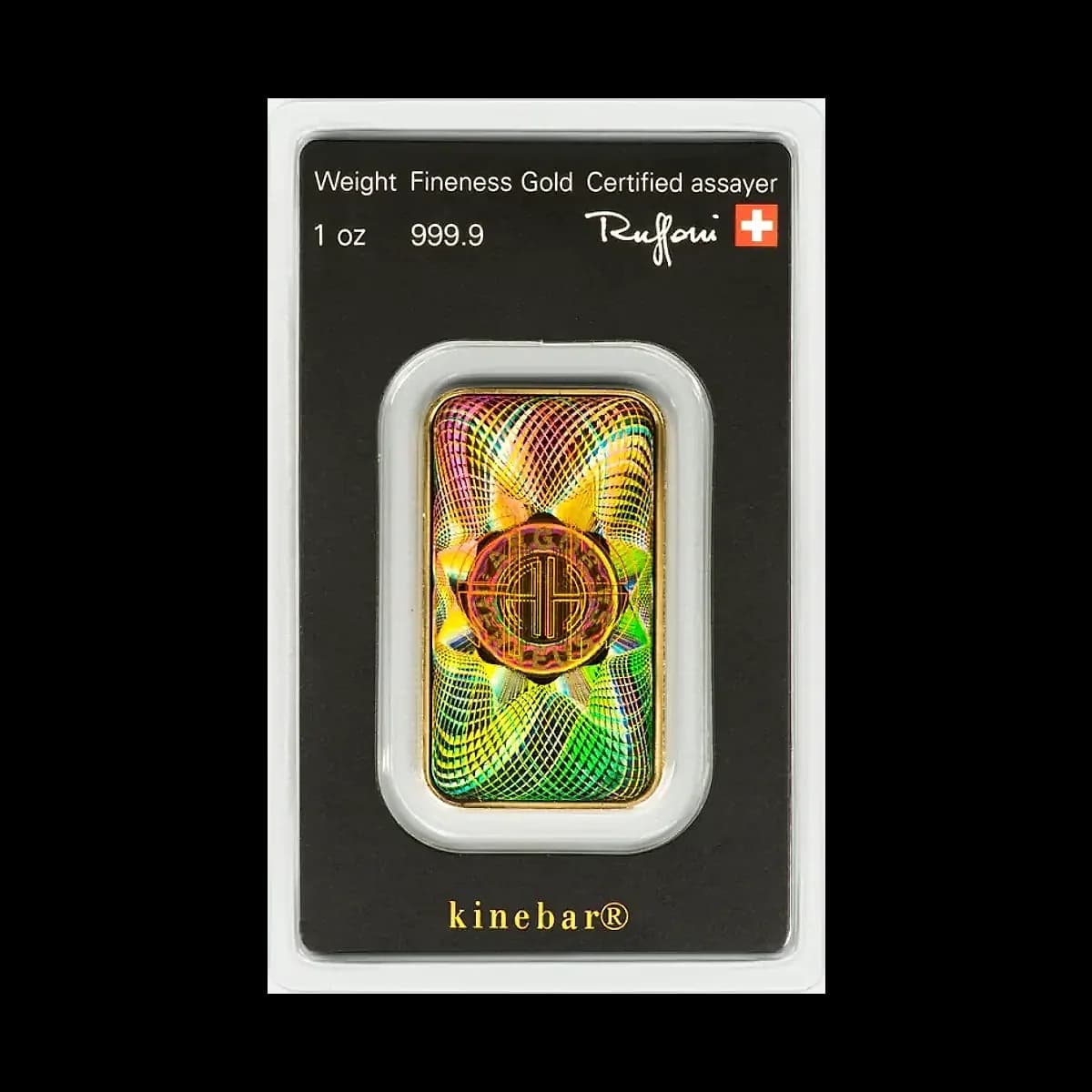
The markings help too. A bar from an accredited refiner carries the refiner's mark, the fineness and the weight, and many bars also have a serial number. If these are missing, blurred or oddly spaced, ask questions before you pay.
What a recognised refiner means when you sell
Selling is where the name on the bar earns its keep. Dealers in Singapore and overseas know how a bar from a major accredited refiner should look, weigh and test. That makes it simple to assess and quick to process.
A bar from a maker nobody recognises is harder going. The gold inside may be perfectly good, but the buyer has more checking to do, and may treat it on its gold content rather than as a branded bullion product.
When you sell to us, we test the piece at the counter and set the final amount there, at that moment's price. Bring the original packaging or assay card if you still have it. It helps, though the test has the final say. Our sell page explains the steps if you want to read them before coming in.
LBMA accreditation and Singapore's GST exemption
Since 1 October 2012, investment precious metals, known as IPM, have been exempt from GST in Singapore. GST is 9% now, so whether a bar counts as IPM makes a noticeable difference to what you pay.
For gold bars and wafers, the conditions include a purity of at least 99.5%. The bar must come from a refiner accredited by a recognised market body, and the LBMA is the main example. It must also carry the refiner's mark, fineness and weight. Silver needs at least 99.9% purity and platinum at least 99%, with similar conditions on refiners and markings.
Coins are treated differently. They must be legal tender in their country of issue and meet IRAS's other conditions, so refiner accreditation is not the test for them. Jewellery never counts as IPM, whatever its karat.
This is only the outline. For the full conditions, read IRAS's e-Tax guide on investment precious metals.
Checking a gold bar before you pay
You do not need a laboratory to ask sensible questions. A few checks at any counter, ours included, will tell you a fair amount.
To confirm a refiner's status, look it up on the LBMA's own website, which publishes the current Good Delivery lists. It takes a minute.
- Find the refiner's name or logo, the fineness (such as 999.9) and the weight stamped on the bar.
- Check the refiner is on the LBMA's current Good Delivery list, not just the former one.
- Ask the dealer how the piece was tested, and whether you can watch.
- Make sure the dealer is registered with the Ministry of Law under the PSPM Act. Ours is No. PS20260001016, shown on our About page and in the footer.
- Keep the packaging, certificate and receipt together somewhere dry. Singapore's humidity is not kind to cardboard.
Questions people ask
Is a small 1 g or 10 g bar a Good Delivery bar?
No. Good Delivery refers to the large wholesale bars of around 400 troy ounces. Small bars are made by the same accredited refiners, which is why the name stamped on them counts for something.
Can a fake bar carry a genuine refiner's logo?
Yes. Counterfeiters copy well-known designs and packaging, so a famous name is a starting point, not proof. We test every piece with PMV and XRF before sale, and run a Veriscan check on PAMP bars.
Do gold coins need to come from an LBMA refiner to be GST-exempt?
Coins have their own conditions: they must be legal tender in their country of issue and meet IRAS's other requirements. The refiner accreditation condition applies to bars and wafers. IRAS's e-Tax guide on investment precious metals sets out the details.
Will you buy back a bar from a refiner that is not accredited?
Bring it in and we will test it at the counter. The final amount is set there after testing, at that moment's price, and an unfamiliar bar may be valued on its gold content rather than as a branded product.
You can check live prices at bullionking.sg/market and browse the refiners we stock in our shop, or walk into Centrium Square, 320 Serangoon Road, during opening hours with no appointment. If you would rather ask first, WhatsApp us on +65 8088 4858.
General information, not financial, tax or legal advice. For the official rules see IRAS and the Ministry of Law.
Popular gold at today's prices
 Pre-order