
Sealed assay cards: should you keep your gold bar sealed or open it?
Most minted gold bars, and plenty of smaller silver ones, come sealed in a plastic card printed with the refiner's details. Customers often ask us whether they should ever open it. You don't have to, and for most people there is little reason to. Below is what the card tells you, what it doesn't, and what happens at our counter if yours is torn, scratched or long gone.
- •An assay card is the refiner's record of the bar's weight, fineness and serial number at the time it was sealed.
- •An intact card makes a bar simpler to check when you sell, but we test every piece either way.
- •A damaged or missing card doesn't change the metal; testing just carries more of the weight.
- •For PAMP bars covered by Veriscan, the bar's surface can be checked against the refiner's record, card or no card.
What an assay card actually certifies
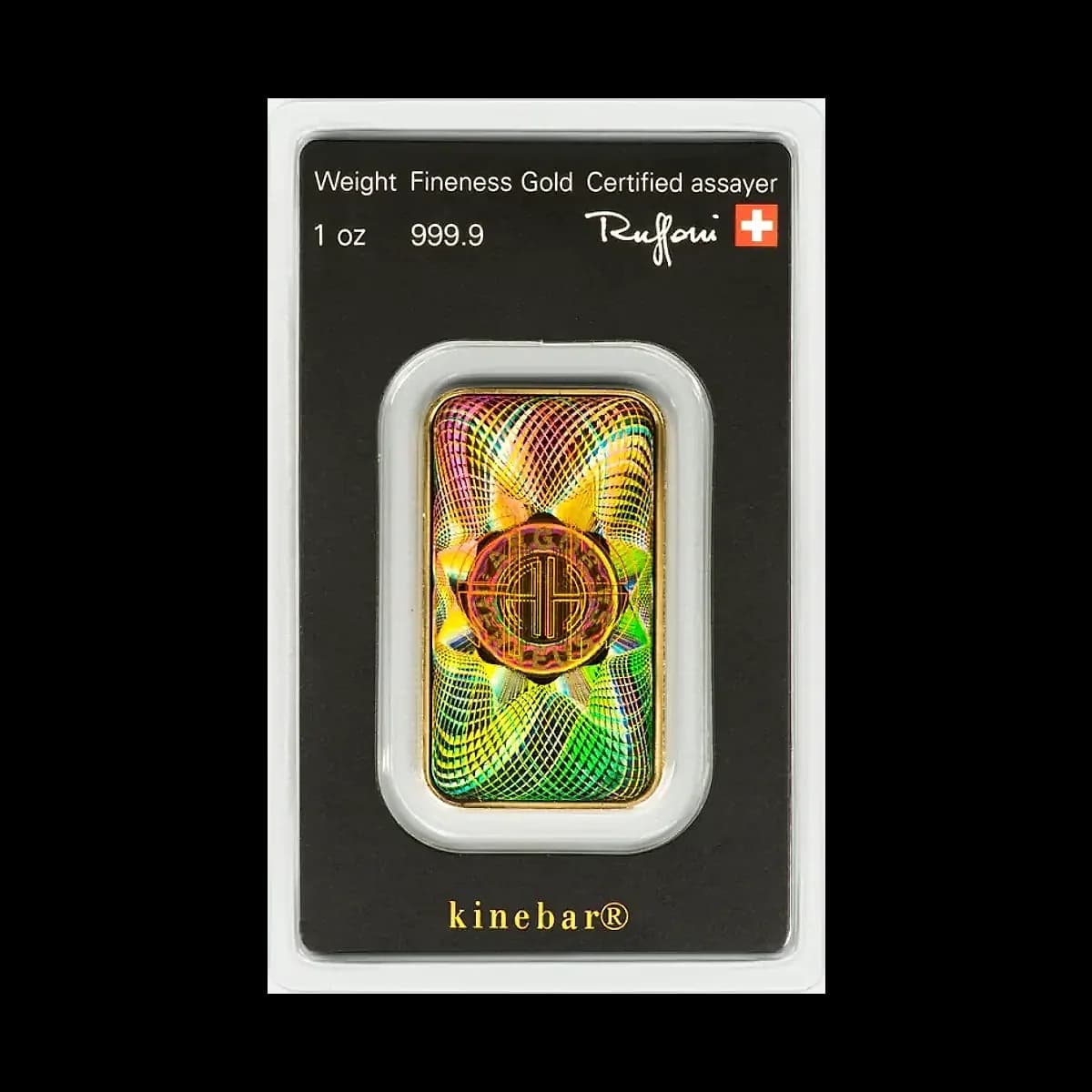
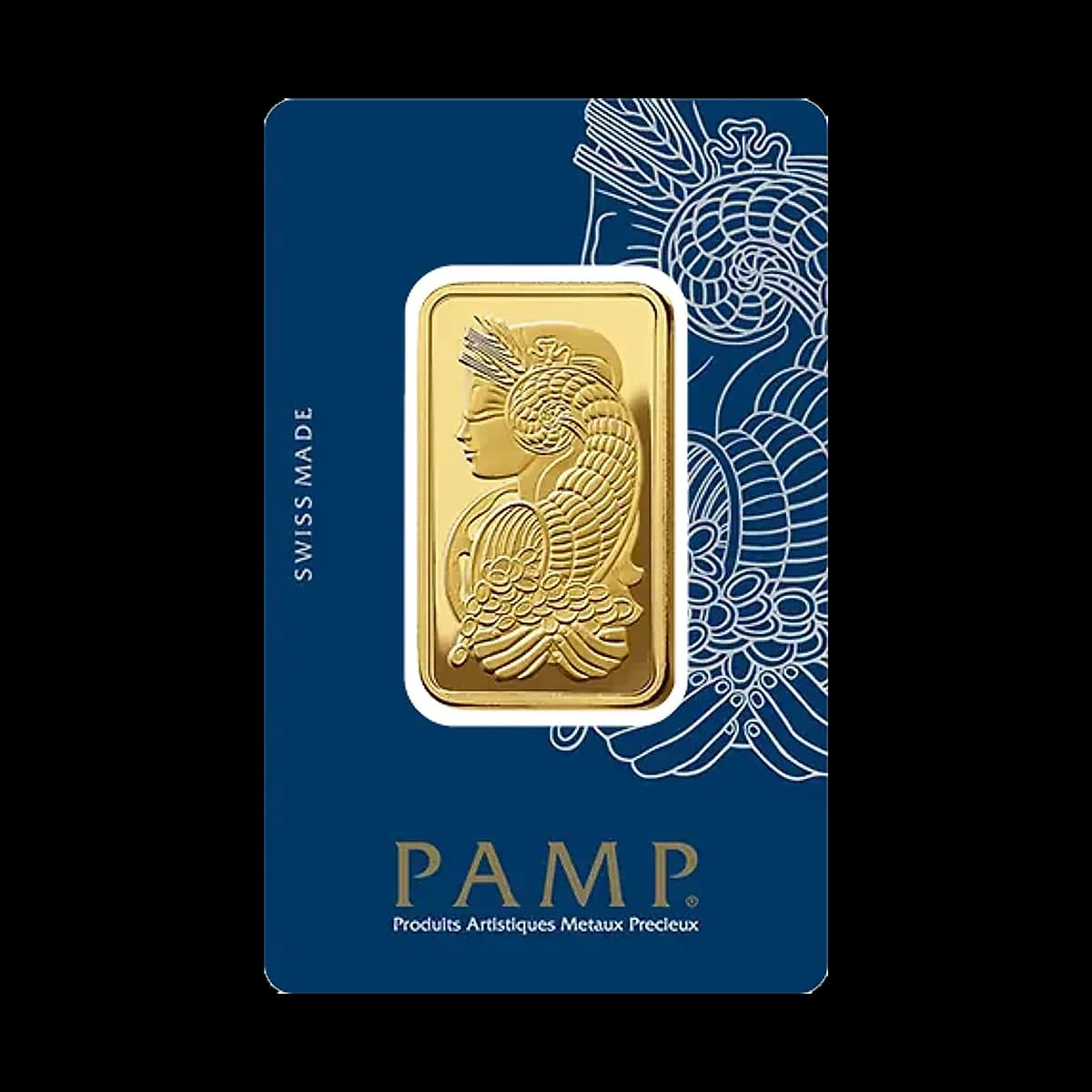
An assay card is the refiner's statement about the bar inside, made at the moment it was packed. You'll normally find the refiner's name and logo, the weight, the fineness (999.9 for most gold bars, 999 or 999.9 for silver) and a serial number that should match the one stamped on the bar. Some refiners add an assayer's signature, a hologram or other security printing.
Card and bar are sealed together so you can see the bar through a clear window but can't touch it without breaking the packaging. That seal is the whole idea. An intact one suggests the bar hasn't been swapped or handled since it was packed.
On its own, though, the card proves very little. Anything printed can be copied, so we treat a card as supporting evidence. The metal still has to be tested.
- Refiner name and mark
- Weight, in grams or troy ounces
- Fineness, such as 999.9
- Serial number matching the bar
- Security features such as holograms or signatures, depending on the refiner
Why a sealed bar is simpler to sell back
When you bring a bar in to sell, our staff are asking two things. Is it what it says it is? And is it in a state another customer would happily buy? A bar in its original, intact card with a matching serial goes a long way on the second question. It looks much as it did the day it was made: no fingerprints, no scuffs, no dents.
It also makes our checks more straightforward. We compare the serial on the card with the one on the bar, look over the seal and the printing, then test the metal. A bar that has rattled around loose in a drawer for ten years can be perfectly good gold. It may just have scratches and marks that take a closer look.
We test every piece whatever the packaging, and the final amount is set at the counter after testing, at that moment's price. The card doesn't replace testing. It usually just makes the visit smoother.
Good reasons, and less good reasons, to open the card
Some people simply want to hold what they bought. Fair enough, and the gold doesn't mind. Others cut the card open to weigh the bar on a kitchen scale or try it with a magnet. A kitchen scale isn't precise enough to tell you much, and a magnet only catches a few crude fakes, so neither is a strong reason to break the seal.
Out of its card, a bar marks easily. Skin oils leave prints, keys and coins scratch the surface, and a 1 oz bar dropped on a tiled HDB floor can come away with a dent. Gold doesn't tarnish. Silver does, and Singapore's humid air speeds things along once a silver bar is exposed. If you do open one, hold it by the edges, cotton gloves if you have them, and keep it in a soft pouch or capsule.
If what you really want is reassurance that the bar is genuine, have it tested by a dealer instead of opening the card yourself.
What happens if the assay card is damaged or lost
This happens more than you'd think. Cards get bent in a wallet, cracked in a drawer, or chewed by a toddler. Sometimes the bar fell out years ago and the card went out with the rubbish.
None of that changes what the bar is made of. A damaged or missing card simply means testing carries more of the weight. We use a PMV (Precious Metal Verifier), which measures how the metal conducts electricity below the surface, and XRF, which reads the composition at the surface. Between them, they let us check that a bar matches what its stamps claim, card or no card.
A lightly scuffed card with an intact seal is rarely a problem. A card that has been split and resealed, or one whose serial doesn't match the bar, gets a much more careful look, because that is the pattern a tampered bar can show. If you know how your card got damaged, tell us at the counter. It helps.
Veriscan: an extra check for PAMP bars
PAMP, the Swiss refiner, uses a system called Veriscan on many of its minted bars. Put simply, the surface of each bar is recorded when it is made, and a later scan can be compared with that record. Because the check looks at the bar rather than the printed card, it can still be used if the card is damaged or the bar has been taken out, though heavy scratching or wear may make a clean read harder.
We run a Veriscan check on PAMP bars alongside PMV and XRF. So a PAMP bar that has lost its packaging can still be compared against the refiner's own record, which gives both of us another point of reference.
Veriscan only covers PAMP bars that are part of the system. Bars from other refiners, such as Argor-Heraeus, Valcambi or Perth Mint, are checked with our other methods and by examining their markings and packaging.
Looking after the card and your records
If you keep the bar sealed, keep the card flat and dry. A small box or a drawer away from heat and damp is fine. Don't stack heavy things on top, as that can crack the plastic over time, and don't write on the card or stick labels across the seal.
Hang on to your purchase invoice too. It records what you bought and when, and an invoice alongside an intact card gives you a tidy record of where the bar came from.
Questions people ask
Will you still buy my gold bar if I've thrown away the assay card?
Yes. We test the bar with PMV and XRF, plus Veriscan if it's a PAMP bar, and the final amount is set at the counter after testing at that moment's price. Walk in during opening hours, no appointment needed.
Can an assay card be faked?
It can, which is why we never rely on the card alone. We check that the serial on the card matches the bar, look over the seal and printing, and then test the metal itself.
Do gold coins come with assay cards?
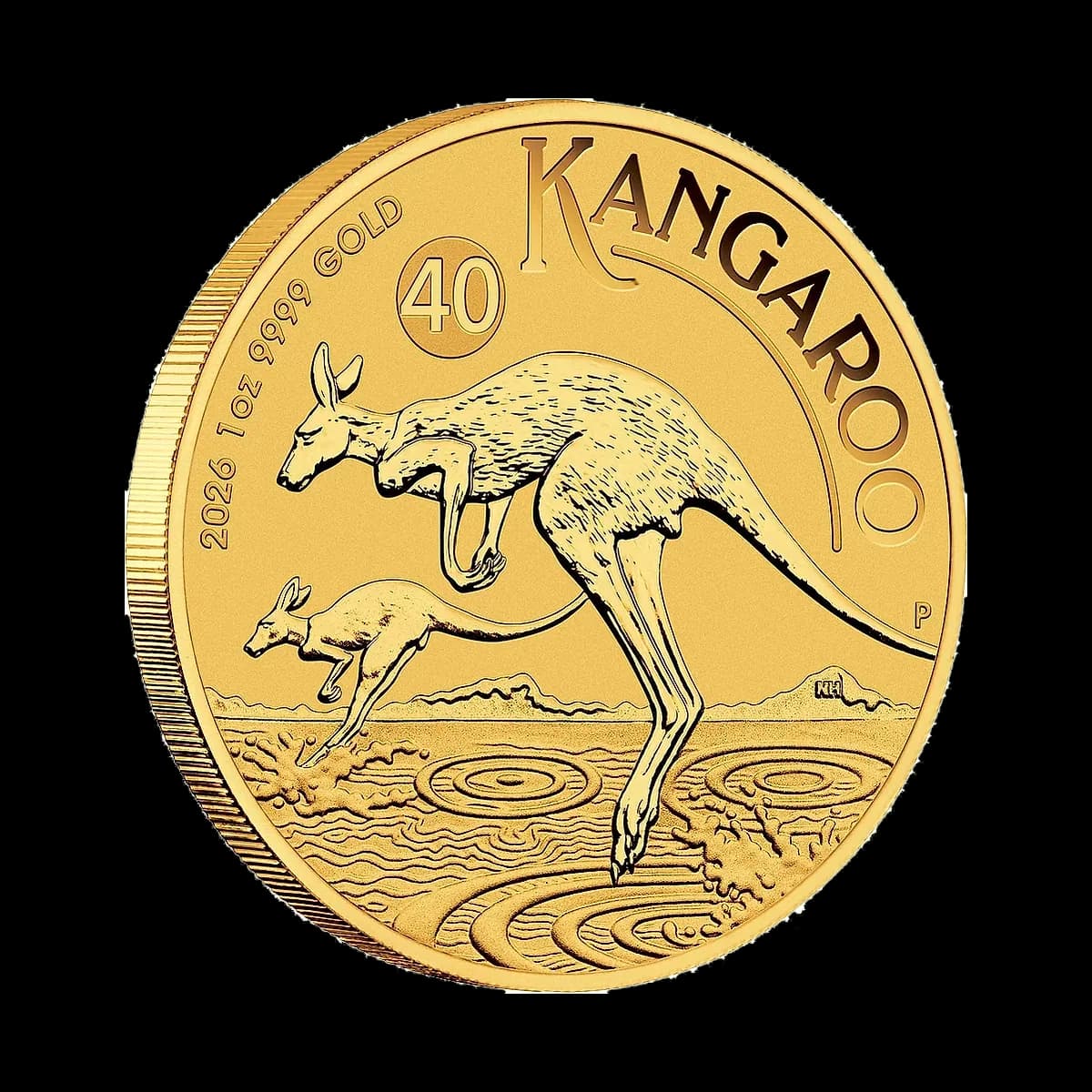
Most bullion coins don't. They are usually sold loose, in capsules or in mint tubes, and are checked through testing and their own design details instead of a card.
Should I open the card to weigh the bar at home?
There's not much to gain. A household scale isn't accurate enough to tell you a great deal, and once the seal is broken it can't be put back. If you want reassurance, bring the bar in and ask us to check it.
You can see live prices at bullionking.sg/market or browse bars in our shop at bullionking.sg/shop. If you have a bar with a damaged card and want to ask something first, WhatsApp us on +65 8088 4858 or drop by #01-17 Centrium Square, 320 Serangoon Road.
General information, not financial, tax or legal advice. For the official rules see IRAS and the Ministry of Law.
Popular bullion at today's prices
 Pre-order