
Keep the paperwork: records every bullion owner should hold on to
Buying a gold bar takes a few minutes. The paperwork that comes with it is what helps years later, when you sell, make an insurance claim or leave things to family. Here is what to keep, why it matters, and how to store copies so they survive Singapore's humidity and the odd house move.
- •Keep the invoice, assay card, packaging and payment record for every piece.
- •Leave sealed assay cards sealed and write down each bar's serial number.
- •Records make selling quicker, but every piece is still tested and priced at the counter on the day.
- •Photograph everything early: thermal receipts fade and humidity is hard on paper.
What to keep after you buy gold or silver
Keep everything that came with the metal. A lot of people hold on to the bar, bin the rest, and regret it later. The invoice, the assay card and even the small plastic sleeve each say something about where that piece came from.
A simple file per purchase is enough. Nothing fancy. Someone picking it up should be able to see what you own, where you bought it and when.
- The dealer's invoice or receipt, showing the date, item, quantity and dealer's name
- The assay card that came with a minted bar, ideally still sealed
- Original packaging for coins: capsules, tubes and boxes
- The payment record, such as a PayNow confirmation or bank transfer slip
- A note of each bar's serial number, if it has one
Why the assay card and original packaging matter
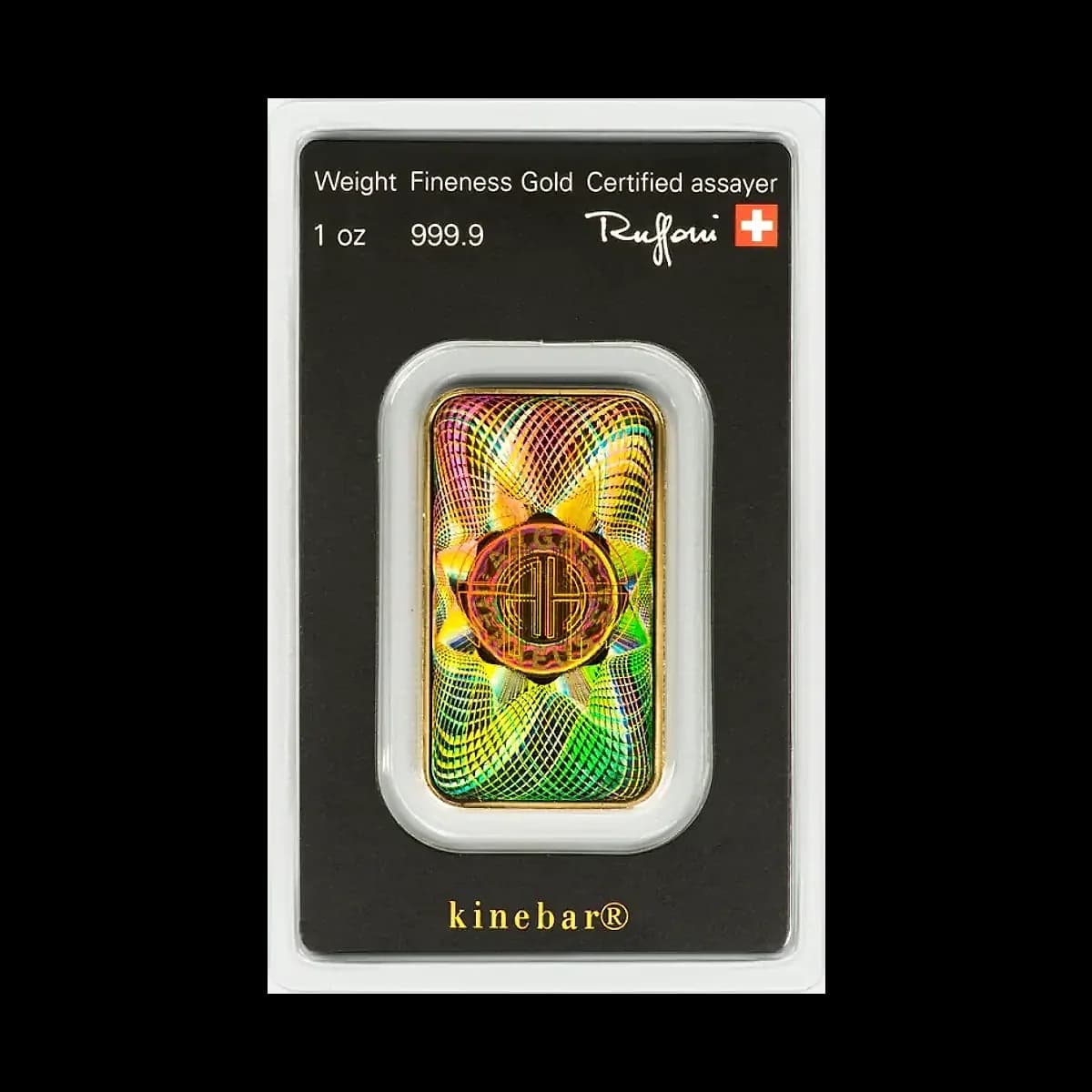
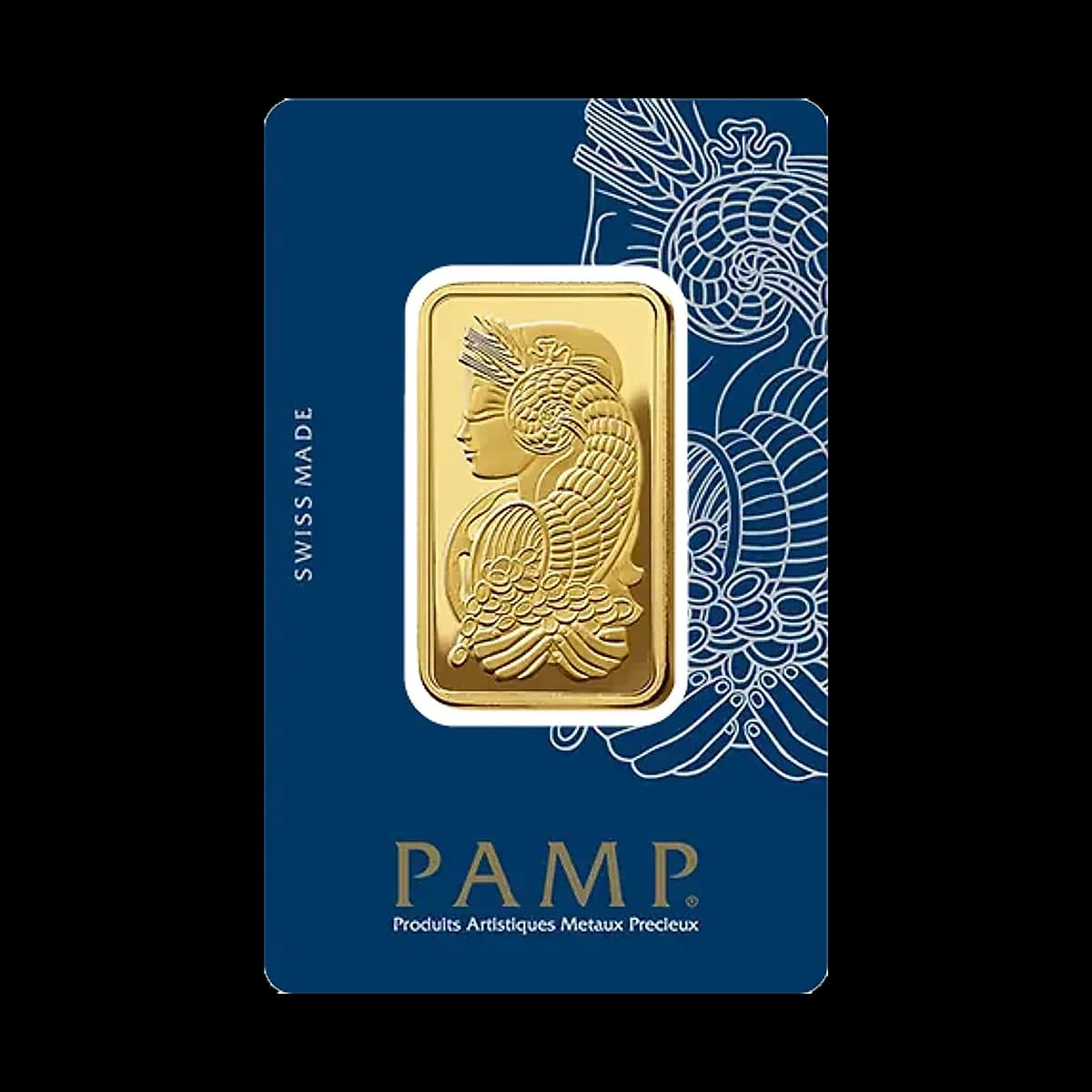
Many minted gold bars come sealed in a card printed with the refiner's name, the weight, the fineness and a serial number that matches the one stamped on the bar. When the bar, the card and your invoice all agree, whoever looks at it later starts with a clear picture, even before testing.
What we tell people at the counter: if the bar is sealed, leave it sealed. Cutting the card open so you can hold the bar gains you nothing, and once it's open you have a loose bar and a piece of cardboard. Fingerprints and light scratches won't harm the metal, but they don't do the bar's appearance any favours.
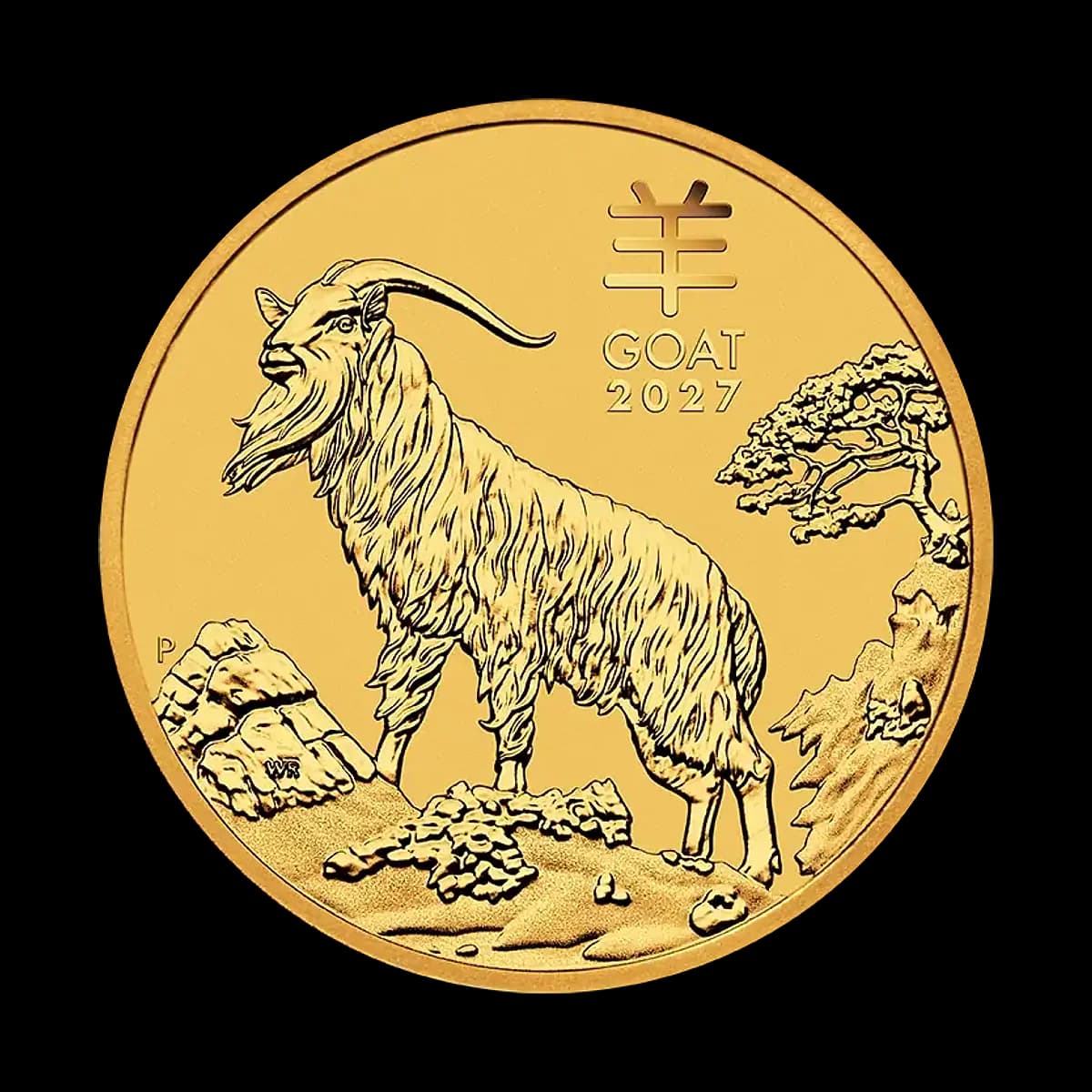
Coins work the same way. A Maple Leaf or Britannia in its original capsule or mint tube stays free of handling marks, and the tube shows at a glance what's inside. Hang on to the boxes for presentation pieces such as lunar coins as well, even if they eat into cupboard space.
How your records help when you sell
When you bring gold or silver back to us, we test every piece before making an offer, using PMV and XRF testing, plus a Veriscan check on PAMP bars. Paperwork never replaces that. It just makes the visit quicker and the conversation clearer.
The invoice shows where and when you bought the piece. A matching card and serial number confirm it's the same bar described on the card. Selling a mix of items? A short written list saves a lot of sorting through an old jewellery box at the counter.
The final amount is set at the counter after testing, at that moment's price. An old receipt is a record of what happened, not a guide to what you'll get, so check live prices on our site before you come in. If the total is above S$20,000, the PSPM Act requires registered dealers to take identity details, so bring your NRIC or passport.
Records for insurance, in general terms
If you insure valuables at home, an insurer will usually want proof of what you owned before paying a claim. Invoices, assay cards and photographs are the obvious evidence. Without them you're left describing a bar from memory, after it's gone.
Home contents policies vary a lot in how they treat gold, silver and other valuables. Some cap the amount per item, others ask you to list high-value pieces separately. We can't tell you what your policy covers, so read the terms or ask your insurer. And keep the records somewhere other than where the bullion lives.
Helping your family find and understand what you own
Bullion is easy to lose track of. It's small, usually tucked away, and rarely talked about. Families sometimes turn up with a bag of bars and coins, no idea where they came from, and no way of knowing whether anything is missing.
A plain inventory fixes most of that. For each piece, write down the weight and purity, the refiner or mint, the serial number and where it's kept. Then tell at least one person you trust that the list exists and where to find it. Leave out values, since they change; weight and purity are what count.
How bullion passes to others is a legal matter tied to your wider arrangements, such as a will, so speak to a lawyer about that part. What you can do as the owner is make sure whoever handles it later knows what's there and has the documents to back it up.
Keeping digital copies that last
Paper has a hard time in our climate. Humidity curls cards and leaves spots on documents. Many receipts are printed on thermal paper, which fades over time, faster if it sits somewhere warm. A receipt that was perfectly sharp on the day can be close to blank when you finally need it.
Make copies early. The day you bring a piece home is the easiest moment, before the paperwork disappears into a drawer.
- Photograph or scan the invoice and assay card on the day you buy
- Take a clear close-up of each bar's serial number and markings, front and back
- Name files plainly, for example by date, metal and weight, so you can search them
- Keep one copy on your phone or computer and another in cloud storage or with a trusted family member
- Store the originals somewhere dry, away from the bullion; a small desiccant pack helps
What the dealer keeps, and what you should keep
Registered dealers in Singapore have their own record-keeping duties under the PSPM Act. Those records are kept for the regulator, not as a backup for customers. If you lose an invoice from years back, ask us, but don't count on a copy being available. Your own file is the one to rely on.
For anything tax-related, such as questions about the GST exemption on investment precious metals, keep the original documents and check IRAS for the rules that apply to you. We don't give tax advice, but tidy records make life easier for whoever does.
Questions people ask
Can I still sell a bar if I've lost the assay card?
Yes. We test every piece whether or not it has paperwork, so a loose bar can still be sold to us. The card and invoice just make identification quicker and show its history.
Does an opened assay card mean my bar is fake?
No. Opening the card doesn't change the metal, and testing will show what the bar is. You've simply lost the protection and the matching record the sealed card gave you.
Should I keep records for gold I received as a gift?
It helps. Ask the giver for the original invoice or a copy if they're happy to share it, and keep any packaging. Even a photo with a note of who gave it and when is better than nothing.
Is it safe to keep photos of my bullion on my phone?
Photos of documents and serial numbers are useful, so long as you're careful where they end up. Don't post them online, and think about a password-protected folder or cloud account rather than your everyday camera roll.
You can check live prices any time at bullionking.sg/market, or drop by our shop at Centrium Square, 320 Serangoon Road. If you have a question about a piece or its paperwork, WhatsApp us on +65 8088 4858.
General information, not financial, tax or legal advice. For the official rules see IRAS and the Ministry of Law.
Popular bullion at today's prices
 Pre-order