
GST-free gold and silver in Singapore: how the IPM rules work
Since 1 October 2012, investment precious metals, or IPM for short, have been exempt from GST in Singapore. A qualifying gold bar or silver coin is sold without the 9% GST you pay on most other goods. Not every piece of gold or silver qualifies, though. The line is drawn by purity and form, and for bars, by who made them.
- •Qualifying investment precious metals have been GST-exempt in Singapore since 1 October 2012.
- •Gold needs at least 99.5% purity, silver 99.9% and platinum 99%, as a bar, ingot, wafer or coin.
- •Bars and wafers need an accredited refiner and must show the refiner's mark, fineness and weight; coins must be legal tender and meet IRAS's conditions.
- •Jewellery, lower-purity metal and some collectibles attract GST at 9%; IRAS's e-Tax guide has the full rules.
What the IPM GST exemption covers
If a piece of gold, silver or platinum meets the IRAS definition of IPM, its sale is exempt from GST. If it doesn't, GST at the standard 9% applies, the same as on a watch or a handbag.
The thinking behind it is fairly simple. People buy bullion for the metal, so the rules separate plain, high-purity metal from items where part of what you pay for is the design or the workmanship. Jewellery sits firmly on the taxable side.
What follows is a plain summary, not the law itself. The full conditions are in IRAS's e-Tax guide on investment precious metals, and that guide is the final word on any specific item.
Purity thresholds for gold, silver and platinum
Fineness comes first. Each metal has its own minimum, and a piece that falls short does not qualify, however much metal it holds.
Gold marked 999 or 999.9, what most people call 24 karat, clears the gold line with room to spare. Silver bullion is usually made at 999 or 999.9, which meets the silver line. Note that silver's threshold is higher than gold's, so a silver item at 99.5% would not pass.
- Gold: at least 99.5% pure
- Silver: at least 99.9% pure
- Platinum: at least 99% pure
Bars, ingots and wafers: the refiner matters
Purity on its own isn't enough. The metal has to be a bar, ingot, wafer or coin. Bars and wafers have an extra condition: they must come from a refiner accredited by a recognised market body, such as the London Bullion Market Association (LBMA).
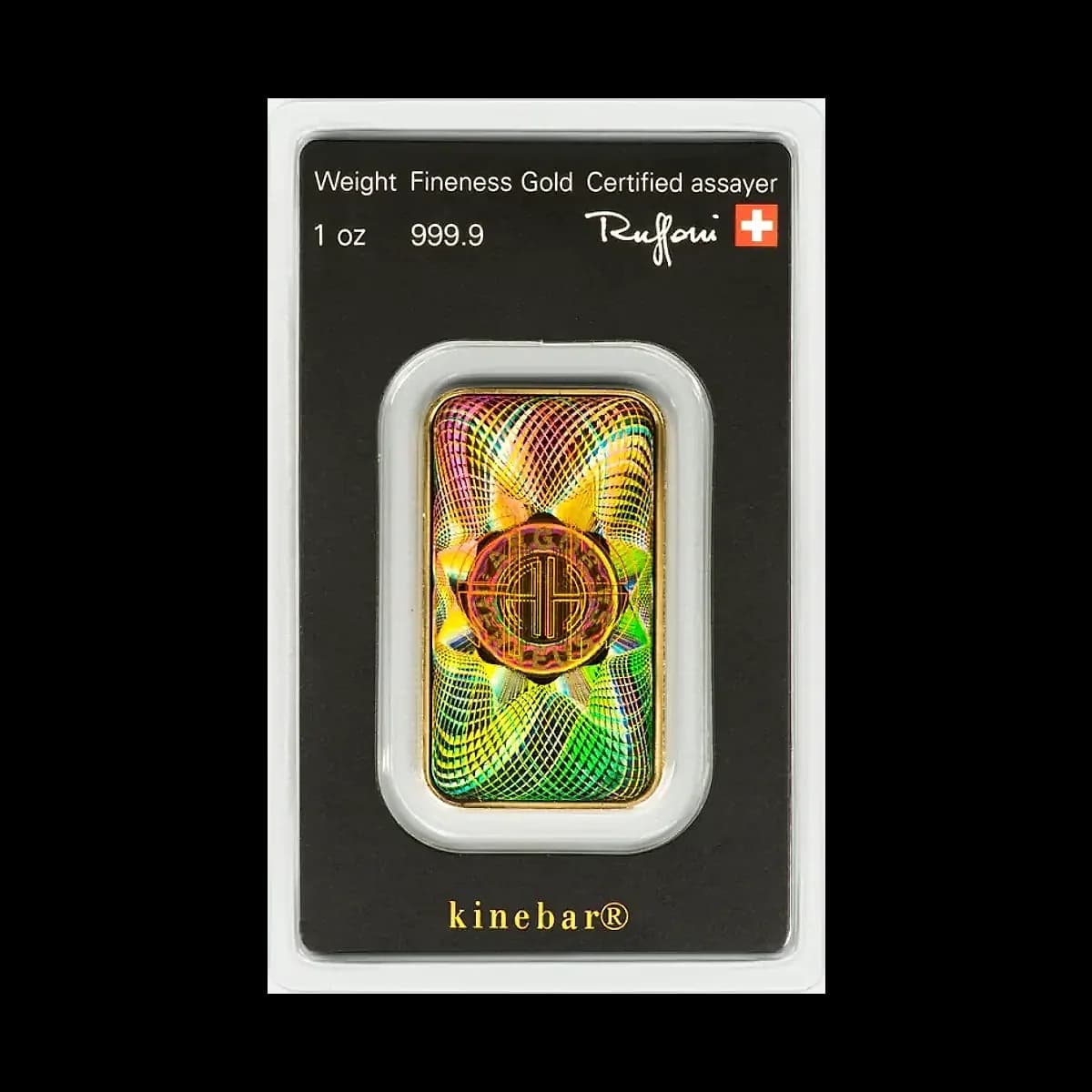
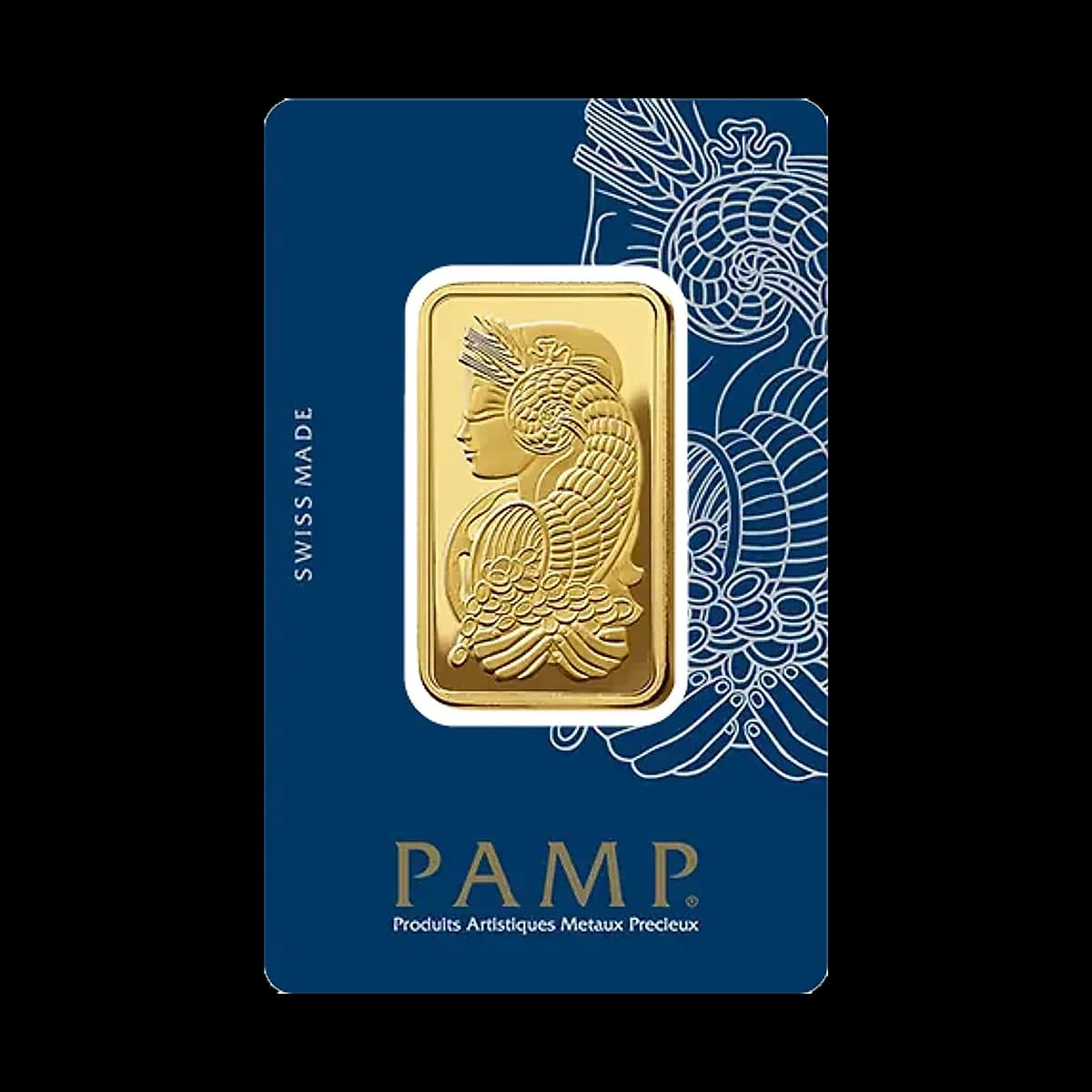
The bar also has to show its credentials. IRAS expects the refiner's mark, the fineness and the weight on it. Pick up a PAMP or Valcambi bar and you will see the refiner's logo, a line like Fine Gold 999.9, and the weight in grams or ounces. Many minted bars carry a serial number as well. That helps with your own records, but it is not part of the GST test.
This is where unbranded bars run into trouble. A plain lump of high-purity gold from an unknown source might be perfectly good metal. Without an accredited refiner's mark, it still doesn't meet the IPM definition.
Gold and silver coins: legal tender and IRAS conditions
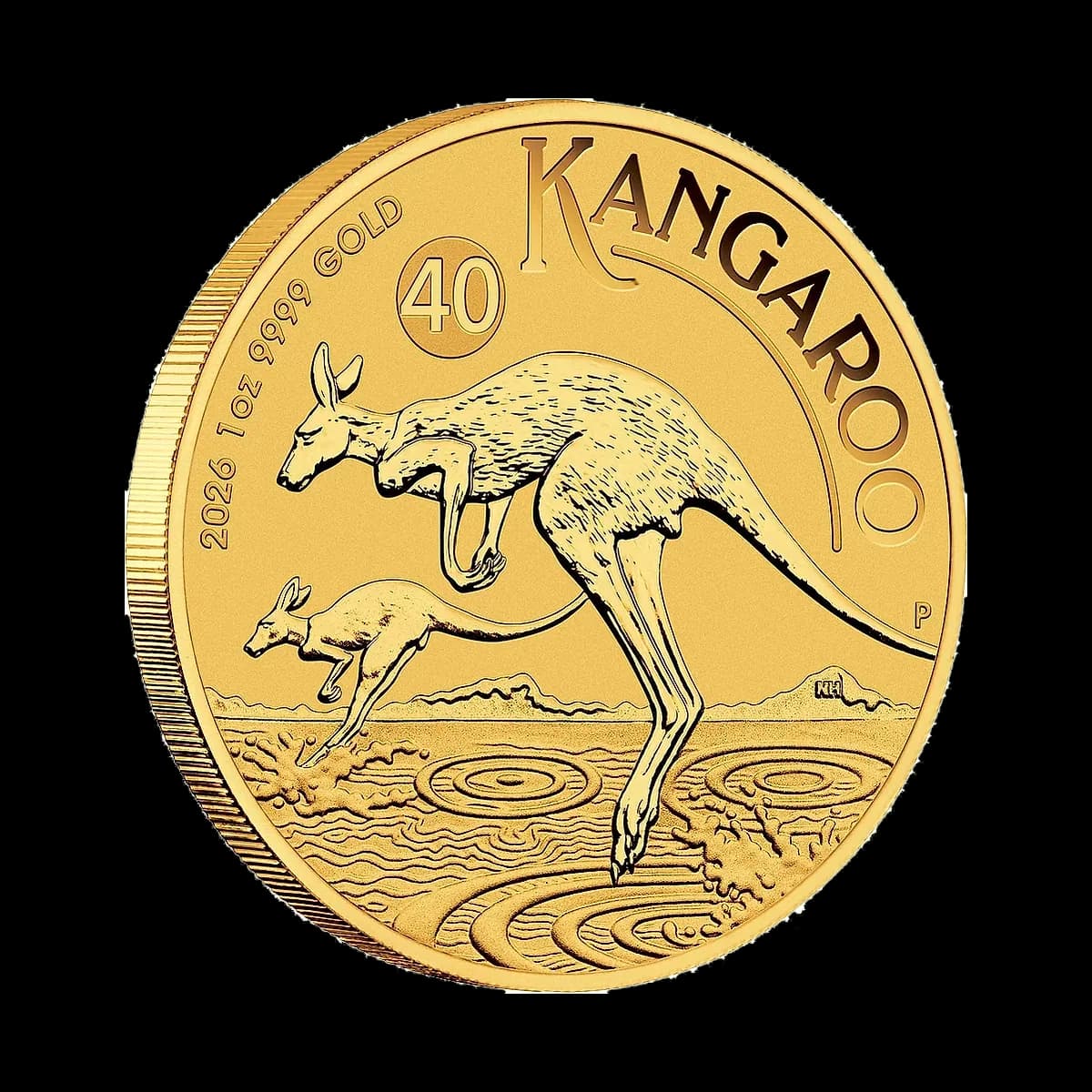
Coins work a little differently. Besides meeting the purity threshold, a coin must be legal tender in its country of issue and meet IRAS's other conditions for IPM coins. The Canadian Maple Leaf, the British Britannia, the Austrian Philharmonic, the Perth Mint Kangaroo and the American Buffalo are all legal tender issues struck in 999.9 gold.
Legal tender status doesn't settle things by itself. The American Gold Eagle and the South African Krugerrand are 22 karat. Each holds a full troy ounce of pure gold, but at 91.6% fineness they sit below the 99.5% line in the general rule, so you should expect GST to apply unless IRAS's guide says otherwise. If you have a particular coin in mind, ask us before you pay.
The face value on a bullion coin is symbolic. A 1 oz gold Maple Leaf has a face value far below the worth of its gold, and nobody spends one at the hawker centre. For GST, what counts is that it is genuine legal tender and meets the other conditions.
What does not qualify for the GST exemption
A rough rule of thumb: if you are paying for something beyond plain, high-purity metal in a recognised form, GST probably applies. These cases come up at our counter often enough to list.
None of this says whether an item is worth owning. It only decides whether GST is charged on the sale. If you're unsure about a piece, check the IRAS e-Tax guide or ask us first.
- Jewellery of any karat, including 999 chains and bangles, because it is an ornament rather than a bar or coin
- Gold below 99.5% or silver below 99.9%, such as 916 gold items or sterling silver at 92.5%
- Bars and wafers from refiners without recognised accreditation, or missing the refiner's mark, fineness and weight
- Medallions, rounds and tokens that look like coins but are not legal tender
- Some collectible pieces, such as coloured, gem-set or heavily decorated items, or coins that fail IRAS's other conditions
How this works when you buy from Bullion King
We stock PAMP, Argor-Heraeus, Perth Mint, Royal Canadian Mint, Metalor, Heraeus, JBR, Valcambi and Nadir Metal Rafineri. Prices follow the live world spot price through the day, and the premium is shown openly on every product page, so you know what you are paying before you decide. Live prices and charts are on our market page. If you want to confirm the GST treatment of a specific product, just ask.
Every piece is tested before it goes on sale. We use a Precious Metal Verifier (PMV) and XRF testing, with a Veriscan check on PAMP bars as well. That tells us the metal matches its markings, which is about authenticity first and foremost.
GST and anti-money-laundering rules are separate matters. We are registered with the Ministry of Law under the PSPM Act (registration No. PS20260001016), and for larger purchases above S$20,000 we take your NRIC or passport details, as the Act requires of every registered dealer. That applies whether or not the item is GST-exempt. Selling back is its own process too: the final amount is set at the counter after testing, at that moment's price.
Questions people ask
Is 999 gold jewellery GST-free because it is 24 karat?
No. Jewellery is not IPM whatever its purity, because it is an ornament rather than a bar, ingot, wafer or coin. GST applies at the standard rate.
Do I need to fill in a form to get the GST exemption?
No. The exemption depends on the item, not on any paperwork from you. If the piece qualifies as IPM, it is simply sold without GST.
Are silver bars treated the same way as gold bars?
The structure is the same, but silver's purity line is higher at 99.9%. Most branded silver bars from accredited refiners are made at 999 or finer, and the bar still needs the refiner's mark, fineness and weight.
Where can I check the official rules?
IRAS publishes an e-Tax guide on GST and investment precious metals with the full conditions. For anti-money-laundering rules on dealers, the Ministry of Law is the authority.
You can see live prices and product details on our site, drop by Centrium Square on Serangoon Road during opening hours, or WhatsApp us on +65 8088 4858 if you'd like to check how a particular bar or coin is treated.
General information, not financial, tax or legal advice. For the official rules see IRAS and the Ministry of Law.
Popular bullion at today's prices
 Pre-order