
Gold in Singapore: a short history of trade and tradition
Gold has moved through Singapore since its early days as a port: in traders' purses, in goldsmith shops and in the jewellery handed over at weddings and festivals. This is a short history, kept to what is well known rather than guesses at figures. It also explains why buying a gold bar here works the way it does today.
- •For generations, Singapore families of every community have worn gold and saved in it.
- •Since 1 October 2012, qualifying investment gold, silver and platinum are exempt from GST; jewellery is not.
- •Stability, location and the GST change helped Singapore grow as a precious metals centre.
- •Under the PSPM Act, dealers register with the Ministry of Law and carry out due diligence on cash and cash-equivalent deals above S$20,000.
A trading port, and gold moving through it
Singapore grew as a free port from the 19th century, a place where goods from China, India, the Malay world and Europe changed hands. Gold travelled with the traders. Some of it was payment, some was savings, and a good deal arrived as jewellery worn by families who came to settle. Every community recognised it, it fitted in a pocket, and you did not need a bank to keep it.
For many migrant families, gold was the savings account. A chain or bangle could be worn, taken to the pawnshop in a hard month and redeemed later. That habit of treating jewellery as stored wealth runs through a lot of Singapore family stories, and it is why so many households still have a drawer or a tin of old gold.
Gold jewellery traditions across Singapore's communities
Each community brought its own customs, and here they sit side by side. The common thread is that gold given at a big moment is meant to last, and often to be passed down.
Most of this gold is jewellery, usually 22 karat (916) or 24 karat (999 or 999.9). It is sold by weight plus a workmanship charge. That charge is one reason jewellery and bullion behave differently when you later come to sell, and our guide on jewellery versus bullion explains how.
- Chinese families: many give a bride the si dian jin, or four gold items, and gold is a common gift at full-month celebrations and Chinese New Year.
- Indian families: gold is central to weddings, and many buy around Deepavali and Akshaya Tritiya. Plenty of the gold shops along Serangoon Road serve this custom.
- Malay families: gold jewellery is often among the wedding gifts exchanged between the two families.
- Peranakan families: ornate gold pieces such as kerosang brooches, many now kept as heirlooms.
Goldsmiths of Serangoon Road and Chinatown
For decades, buying gold in Singapore meant walking into a goldsmith in Chinatown or Little India. Prices were posted by the gram. Designs came and went with fashion, and many families went back to the same shop year after year.
We are on Serangoon Road ourselves, at Centrium Square, so this history is just down the street. People still come in after a wedding or a family clear-out with old pieces to sell. The routine at the counter, weigh it and test it, is the same in spirit as it ever was. Only the tools are newer.
The 2012 GST change and why it mattered
When GST was introduced in Singapore in the 1990s, investment gold bars and coins generally carried it like most other goods. Several other trading centres did not tax investment gold, which made Singapore a less obvious place to buy or store bullion.
From 1 October 2012, investment precious metals (IPM) became exempt from GST. Gold must be at least 99.5% pure, silver at least 99.9% and platinum at least 99%, in the form of bars, ingots, wafers or coins. Bars and wafers must come from an accredited refiner and carry its mark, fineness and weight, and coins have their own conditions. Jewellery is not covered, so a 916 necklace still carries GST at today's 9% rate while a qualifying bar does not.
For an ordinary buyer the effect is easy to see: on a qualifying bar or coin you pay for the metal and the dealer's premium, with no GST added. Our guide to the IPM rules has the details, and IRAS's e-Tax guide has the full wording.
Singapore's growth as a precious metals hub
The GST exemption was one of several steps aimed at making Singapore a centre for precious metals trading and storage in Asia. The groundwork was already there. Singapore had a stable government, a dependable legal system and solid banks, and it sits close to big gold-buying markets in China, India and Southeast Asia.
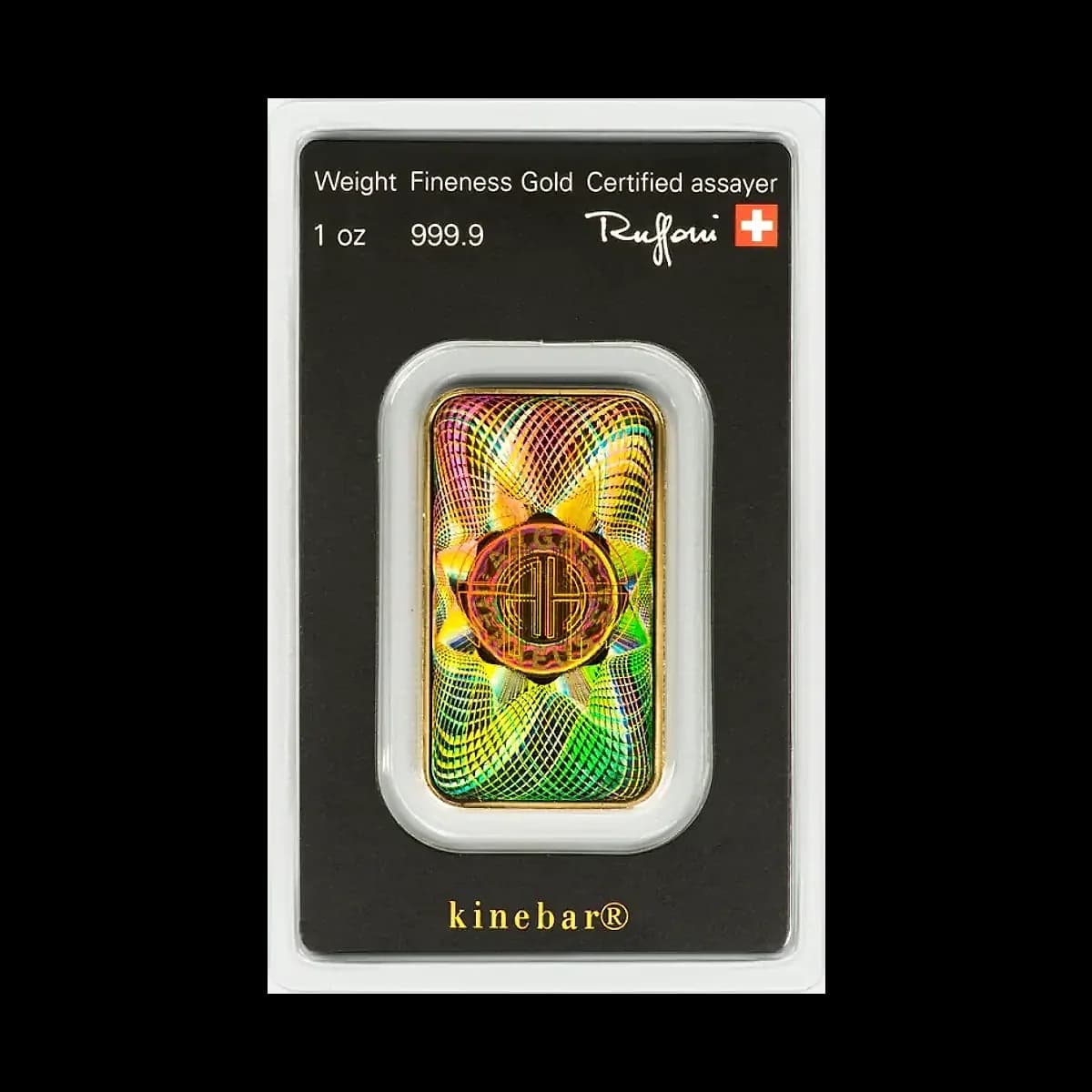
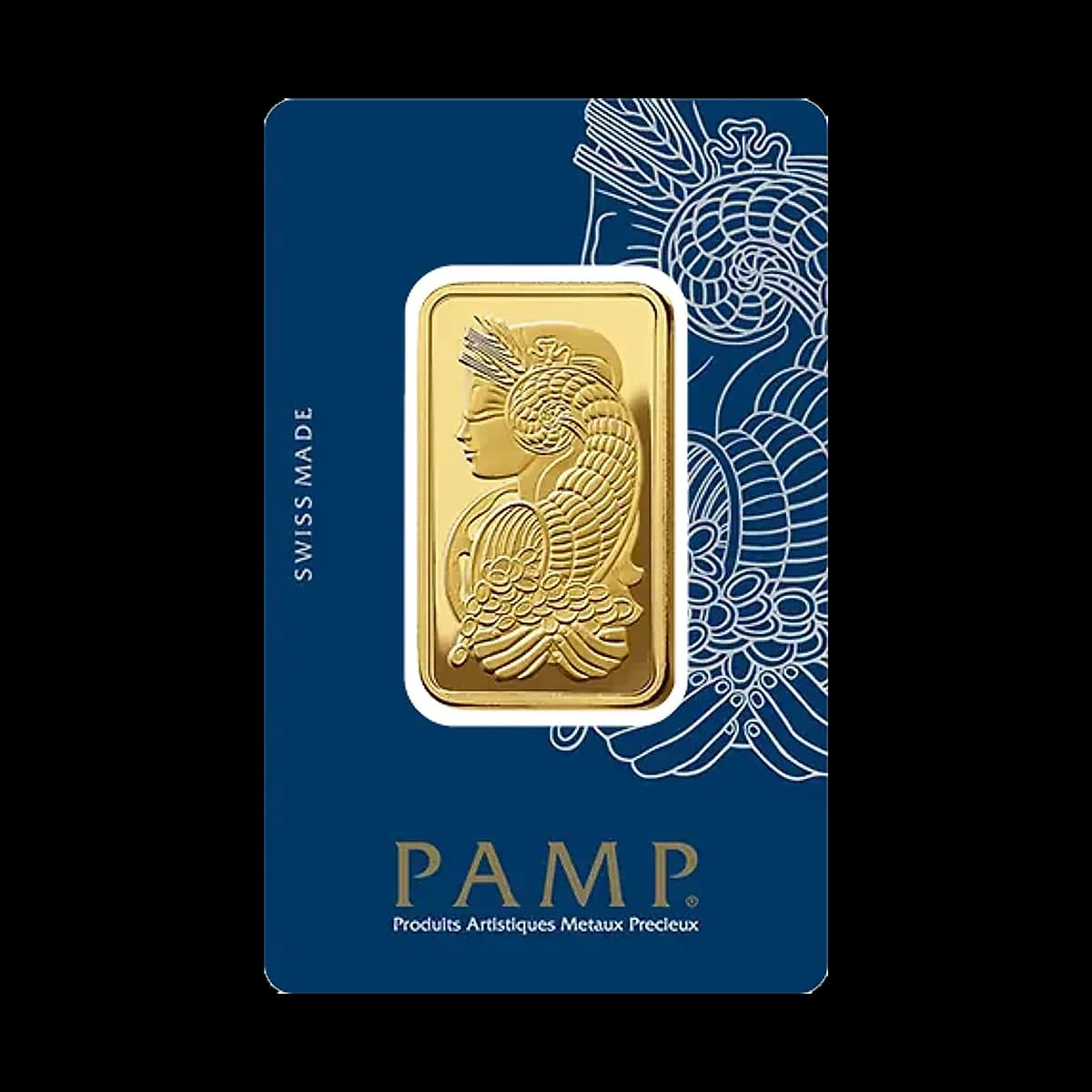
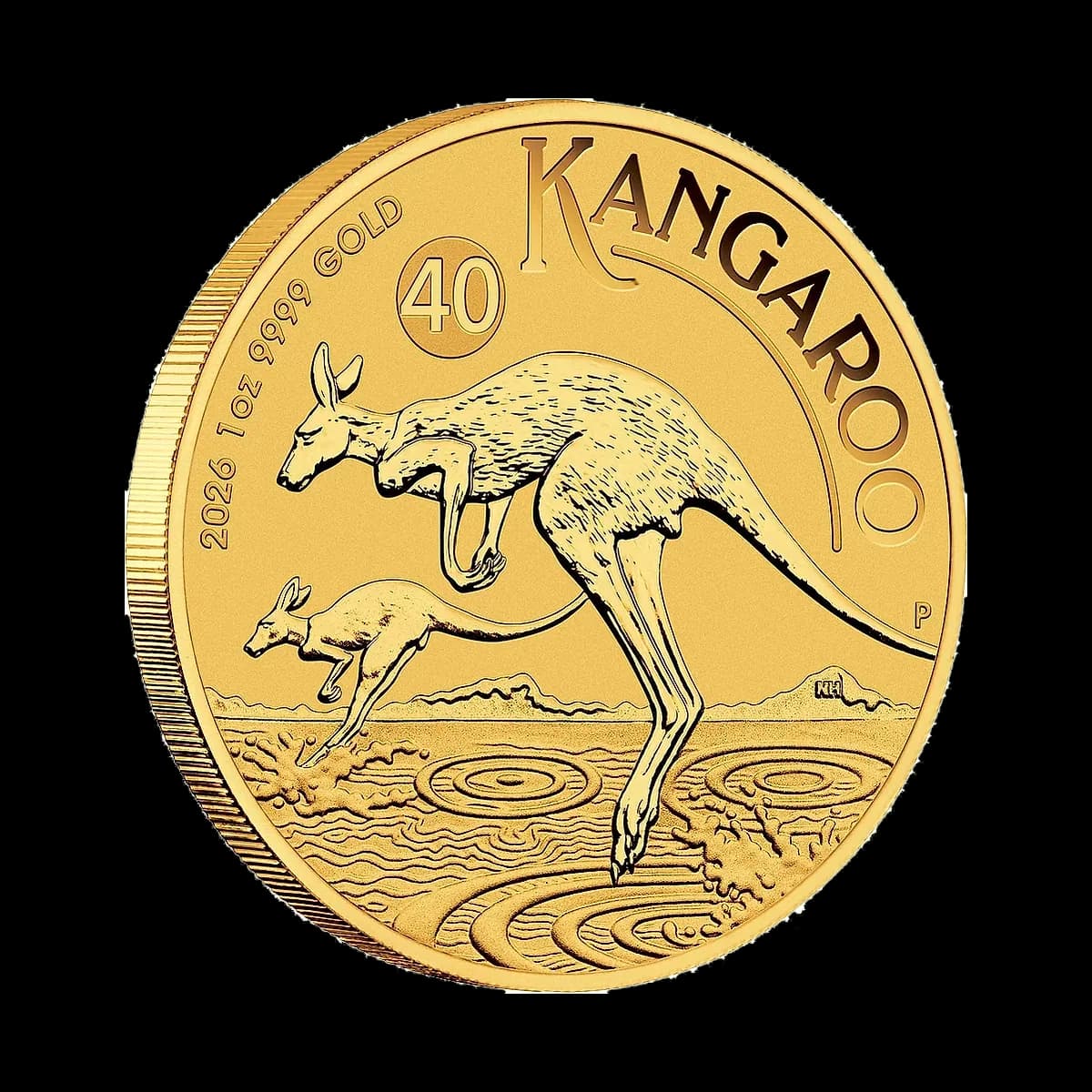
Since then, vaulting firms, traders and bars from international refiners have become part of the local scene. Bars from Swiss refiners such as PAMP, Valcambi and Argor-Heraeus, and coins from the Perth Mint and Royal Canadian Mint, are everyday stock now rather than special orders. We sell to the public, other dealers in Singapore buy from us wholesale, and we are an authorised StoneX supplier.
Regulation in recent years: the PSPM Act
A trading centre runs on trust. In 2019 Singapore brought in the Precious Stones and Precious Metals (Prevention of Money Laundering) Act. Dealers register with the Ministry of Law and keep records. For cash and cash-equivalent transactions above S$20,000, they must carry out customer due diligence and file a cash transaction report.
So on purchases above S$20,000, we take your NRIC or passport details. Every registered dealer does the same. Our registration number, PS20260001016, is on our About page and in the footer of our site. Please do check it, and check the number of any dealer you buy from. The Ministry of Law has the full rules.
What has stayed the same
Some things are new. Our prices follow the live world spot price through the day, with the premium shown on each product page, and when the world market closes at weekends we sell at the last closing price. You can pay by PayNow or bank transfer as well as cash or card. Yet a goldsmith from decades ago would understand the basics at once: weight and purity decide value, and testing settles arguments.
Every piece we sell is tested first, with a PMV (Precious Metal Verifier) and XRF, plus a Veriscan check on PAMP bars. It is the modern version of the old touchstone. The job hasn't changed: make sure the gold is what it says it is.
Questions people ask
Why do so many jewellery shops sell 916 gold rather than 999?
22 karat (916) gold is harder than pure gold, so it holds fine detail and takes daily wear better. It has long been a standard for wedding and everyday jewellery here, though many shops also sell 999 pieces.
Is my grandmother's gold jewellery GST-exempt like a gold bar?
No. Jewellery is not investment precious metal under the IRAS rules, whatever its purity. The exemption covers only bars, ingots, wafers and coins that meet the IPM conditions.
Did Singapore always tax gold bars?
From the introduction of GST until the IPM exemption on 1 October 2012, investment gold generally carried GST. Since then, bars and coins that meet the IPM conditions have been exempt. IRAS has the full history and rules.
Does the history of gold in Singapore tell me where prices will go?
No. History explains customs and rules, not future prices. If you want to understand what drives the price, our guide on what moves the gold price explains it in plain words.
Live prices are on bullionking.sg/market, and you are welcome to drop by Centrium Square on Serangoon Road (Mon to Sat 12pm to 8pm, Sun 2pm to 8pm, no appointment needed). Or WhatsApp us on +65 8088 4858 with any questions.
General information, not financial, tax or legal advice. For the official rules see IRAS and the Ministry of Law.
Popular gold at today's prices
 Pre-order